WV Genealogy: Discover Your West Virginia Roots & Family History
West Virginia genealogy has a reputation for being difficult, and it earned that reputation honestly. The state was carved out of Virginia in the middle of the Civil War, which means every family line that reaches back before June 20, 1863 is technically a Virginia line. Records are split between two state capitals, dozens of county courthouses, and archives that may or may not have survived a fire, a flood, or a wartime raid.
Those obstacles are also what make Mountain State research so satisfying. Once you understand how the records were created and where they ended up, the pieces start snapping together with surprising speed. This guide walks through the political history that shaped West Virginia's records, the core record groups you should search first, and the repositories and strategies that consistently break through brick walls in Appalachian family lines.
Why West Virginia Genealogy Works Differently
West Virginia was admitted to the Union as the 35th state on June 20, 1863, formed from the western counties of Virginia after those counties refused to follow Richmond into secession. That single political fact shapes nearly every research decision you will make. Vital records, land grants, tax lists, and court minutes created before statehood were created by Virginia institutions, which means they are often filed in Virginia repositories even when the family never lived more than twenty miles from the current state line.


Geography matters just as much. The Appalachian ridges that isolated hollows and creek bottoms also concentrated families into tight communities where the same dozen surnames repeated for generations. People married neighbors, cousins married cousins, and families followed the same migration paths over and over. That pattern makes local records unusually rich but also makes identity confusion a constant hazard, since three men named John Smith born within five years of each other in the same county is a routine situation rather than an exception.
The 1863 Statehood Split and Where Records Live Now
For any event before statehood, assume you are researching Virginia first and West Virginia second. The Library of Virginia in Richmond holds the colonial and state-level records that genealogists rely on most, including land office patents and grants, personal property and land tax lists, Revolutionary War public service claims, and Confederate pension applications filed by veterans of western counties. County-level records, such as deeds, wills, and marriage returns, generally stayed in the courthouse of the county where they were created, which today may be a West Virginia county seat.


There is an important wrinkle for the eastern panhandle. Berkeley and Jefferson counties voted to join West Virginia in 1863, but Congress did not formally confirm the transfer until 1866, so records from those counties straddle two jurisdictions and two sets of administrative practices. Researchers should also remember the Restored Government of Virginia, which operated from Wheeling and later Alexandria and generated its own gubernatorial papers, legislative records, and military correspondence that are now split between West Virginia and Virginia archives.
County Formation, Boundary Shifts, and Record Loss
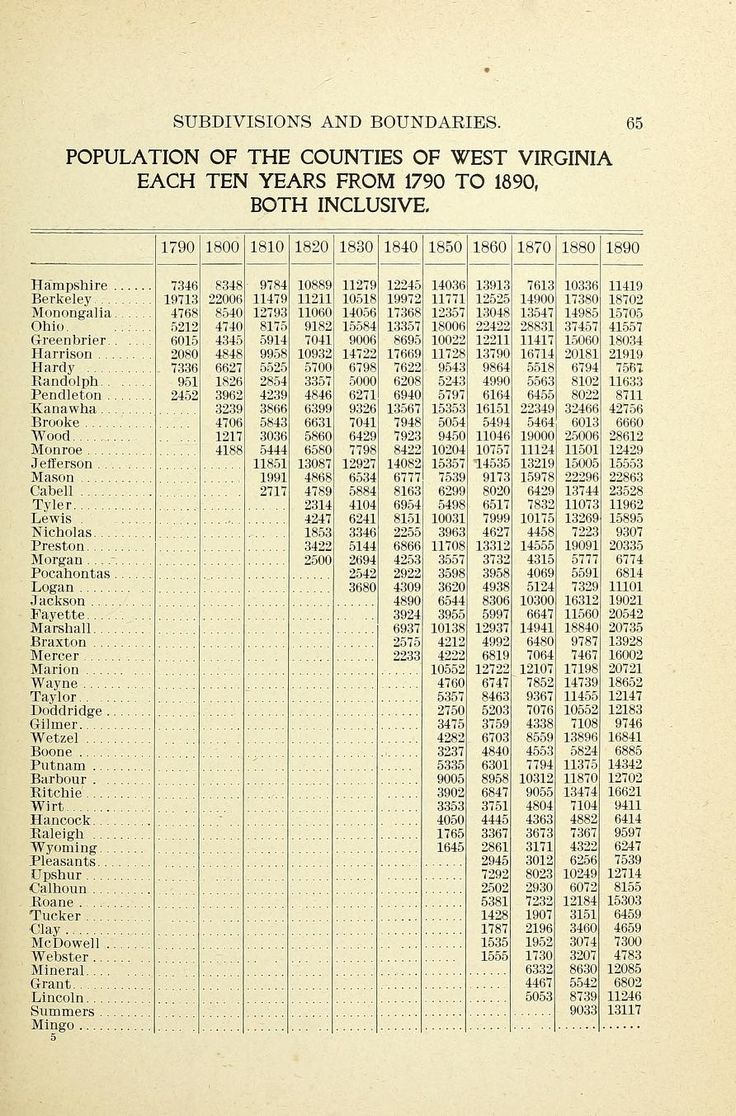
West Virginia today has 55 counties, and almost every one of them was carved out of an older county at some point. When a new county formed, the parent county usually kept its earlier records, but the new county began its own deed books, will books, and court order books on the effective date of formation. If your ancestor lived in an area that changed counties twice, you may need to search three separate courthouses for events that occurred in the same geographic spot.
Record loss complicates the picture further. Courthouse fires, floods, and Civil War-era removal of records destroyed or scattered material in a number of counties, and some losses are only partial. Before assuming a record does not exist, check the county record inventories prepared by the Works Progress Administration in the 1930s, the record guides published by the West Virginia State Archives, and the surviving deed and will transcriptions that occasionally turn up in state-level copies or private manuscript collections.




The Record Groups That Carry West Virginia Research
A practical West Virginia research plan starts with the records that name people directly and works backward into records that merely place them in a location. Vital records and marriages identify relationships, census schedules place a family in a household, and land, tax, and probate records fill the gaps for the decades before vital registration existed. Searching these groups in combination is far more effective than chasing a single type of record.
Because so many pre-1850 records are indirect, it helps to think in terms of clusters rather than individuals. When you find a deed, note the neighbors who witnessed it. When you find a tax list, note who else appears on the same pages. That habit of building context is what separates researchers who get stuck from researchers who keep moving.
Vital Records, Marriage Returns, and the 1917 Registration Line
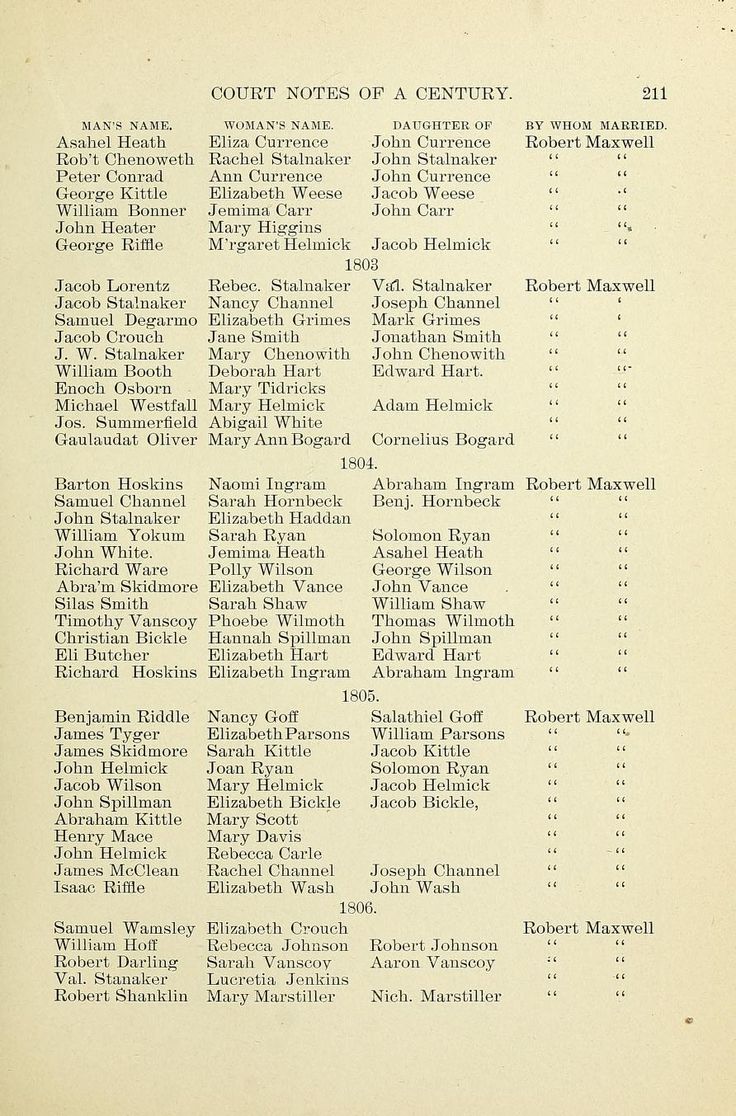
West Virginia counties began keeping birth and death registers in 1853, with recording that continued unevenly until roughly 1872 before tapering off. Statewide registration began in 1917, and that year is the real dividing line for modern vital records. Marriage records are far better, since county clerks have recorded marriages continuously from the date each county was organized, and those returns often list parents, bondsmen, and officiants.


The West Virginia Department of Arts, Culture and History offers a free online vital research records database with scanned images of many birth, death, and marriage records from the county registers and statewide certificates. Access rules generally restrict birth records for about 100 years, deaths for about 50 years, and marriages for about 50 years, but the open records cover an enormous span. Delayed birth certificates from the 1930s and 1940s are also worth checking, because they were often filed by people born decades before statewide registration and frequently include supporting affidavits naming parents and siblings.
Census Schedules, Tax Lists, and Substitutes for Missing Records
Federal census research in West Virginia comes with well-known gaps. The 1790 Virginia census is lost, parts of the 1800 and 1810 censuses are missing, and the 1890 population schedules were destroyed in a 1921 fire. The 1850 census is the first to name every household member rather than only the head, and the 1870 census is the first federal enumeration to list formerly enslaved West Virginians by name.
Tax records fill many of those holes. Virginia personal property tax lists run from 1782 forward and identify heads of household with tithable counts, while land tax records track property ownership across county lines. Road orders, militia rolls, estate inventories, and church registers add further detail. Together these records can reconstruct a family's presence in a location during decades where no census survives, which is often the difference between a documented line and a speculative one.
Repositories, Databases, and Research Strategy
The good news for anyone researching West Virginia ancestors is that an unusual amount of high-quality material is free and online. State records, county records, and newspaper archives have all been digitized to a degree that would have been unthinkable twenty years ago. The better strategy is to exhaust those free resources first, then plan targeted courthouse and archive visits for the items that were never filmed.
It also pays to contact local repositories before traveling. County clerks, historical societies, and university special collections all vary in staffing and hours, and a phone call or email can confirm whether a specific volume is on the shelf, on microfilm, or temporarily unavailable.
The State Archives and Its Free Databases
The West Virginia State Archives in Charleston is the single most important repository for Mountain State research. Its holdings include microfilmed county records, state land grants, military service records, naturalization papers, and manuscript collections, and its searchable online databases cover everything from Civil War soldiers to the 1890 special census of Union veterans. These databases are free, which makes them an ideal starting point before you spend money on subscription sites.
On-site researchers can dig into the WPA-era inventories that describe what each county courthouse held in the 1930s, a resource that is invaluable when you are trying to determine whether a missing record was ever created. The Archives also holds newspaper microfilm, legislative records, and governor's papers that occasionally mention ordinary citizens through petitions, pension requests, and pardon applications.
University Collections, DNA, and Migration Trails
The West Virginia and Regional History Center at West Virginia University in Morgantown holds the largest manuscript collection in the state, including family papers, business records, and coal company archives. Marshall University's special collections covers the southern coalfields, and local historical and genealogical societies across the state have published cemetery readings, church records, and family histories that never appear in major databases.
DNA testing has become a valuable supplement, though Appalachian endogamy demands caution. Pedigree collapse and generations of cousin marriages mean that shared centimorgan counts can look closer than the actual relationship, and matches frequently connect through multiple lines at once. Combine DNA evidence with documentary research, follow migration trails such as the Great Wagon Road down the Shenandoah Valley, and track the later coal-era arrivals from Italy, Hungary, Slovakia, Poland, Greece, and the American South through church registers, naturalization files, and company records. The families who stayed put for two hundred years and the families who arrived to work the mines both left trails, and the county courthouse is usually where those trails cross.
Pick the county where your earliest confirmed ancestor paid taxes, pull the deed and will indexes for that county, and work forward one generation at a time with tax lists in hand. The records are out there, spread across two states and a hundred archives, and each one you locate makes the next easier to find.
Related Articles

Discover the Guyandotte River: History, Adventure & Scenic Beauty in West Virginia
The Guyandotte River is a 166-mile waterway that rises in the rugged Appalachian Plateau of southern West Virginia and winds northwest through coal country...

Jefferson Patterson Park: Your Ultimate Guide to Trails, History, and Family Adventures
Tucked along the Patuxent River in St. Leonard, Maryland, Jefferson Patterson Park and Museum is one of Calvert County's most compelling destinations for...

Family Tree Art: Beautiful Ways to Honor Your Roots
Family tree art turns the names, dates, and relationships of your ancestry into something you can hang on a wall, pass down, and talk about. It might be a...

Doyne Family of Maryland: History, Genealogy & Lasting Legacy
The Doyne family of Maryland is a compelling subject for anyone tracing the tangled roots of the colonial Chesapeake. From the tobacco fields of Charles County...

Nelson Rocks Via Ferrata: Your Ultimate Guide to an Epic West Virginia Adventure
Your quota is exhausted. API key status: exceeded Name: PCTB8QC8QS7ST Quota: 0/3200000000 tokens (0.0%) exp_date: 2026-10-17T14:27:58.134Z

Family Tree Redline Steel: Custom Metal Wall Art to Honor Your Roots
A family tree does more than record names on a page. When it is cut from steel and hung on a wall, it turns ancestry into a piece of art that every visitor...