What Is Room Temperature in Fahrenheit? The Exact Answer
When someone mentions "room temperature," most people picture a comfortable indoor setting where they can relax without feeling too hot or too cold. But what does that phrase actually mean in precise terms, especially on the Fahrenheit scale? The answer is more nuanced than many realize. Room temperature is not a single fixed number but rather a commonly accepted range that varies depending on context, culture, and purpose.
Understanding room temperature in Fahrenheit matters for cooking, baking, scientific experiments, medicine storage, and even setting your home thermostat. The number you'll hear most often is 68 to 72 degrees Fahrenheit, but the story doesn't end there. Different industries and regions define this range differently, and knowing those distinctions can help you make smarter decisions in daily life.
What Is the Standard Room Temperature in Fahrenheit?
The most widely cited figure for room temperature is approximately 68 to 72 degrees Fahrenheit, which translates to roughly 20 to 22 degrees Celsius. This range is what most people consider comfortable for indoor living spaces, offices, and classrooms. It's a Goldilocks zone where the human body doesn't have to work hard to maintain its core temperature of around 98.6 degrees Fahrenheit.
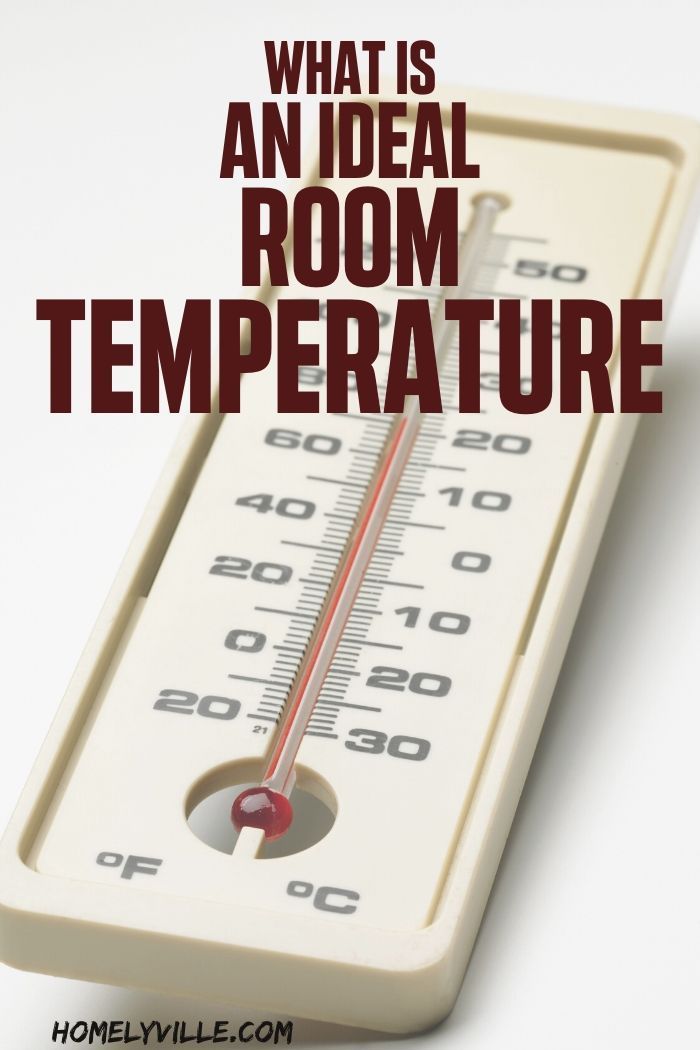


However, this range is not a universal law of physics. It's a convention shaped by comfort studies, building standards, and cultural expectations. In the United States, the American Society of Heating, Refrigerating and Air-Conditioning Engineers, commonly known as ASHRAE, recommends indoor temperatures between 68.5 and 75 degrees Fahrenheit during warmer months and 68 to 74.5 degrees Fahrenheit in cooler seasons for typical office environments.
Why 68 to 72 Degrees Fahrenheit Became the Benchmark
The 68 to 72 degree range gained popularity because it aligns with human thermal comfort research conducted throughout the twentieth century. Scientists discovered that when the body is at rest and wearing typical indoor clothing, it loses heat at a comfortable rate within this band. Metabolism, humidity, air movement, and clothing all play a role, but the baseline remained consistent across numerous studies.


Another reason this range stuck is its practicality. Buildings heated and cooled within this window tend to balance energy costs with occupant satisfaction. Push the thermostat much lower in winter, and heating bills climb. Raise it much higher in summer, and air conditioning systems strain. The 68 to 72 range offers a sweet spot where comfort and efficiency coexist.
How Room Temperature Differs Across Industries
Not every field uses the same definition. In the pharmaceutical industry, room temperature is often defined as 68 to 77 degrees Fahrenheit, based on guidelines from the United States Pharmacopeia. Medications labeled for storage at room temperature are expected to remain stable within this broader window, giving pharmacies and patients some flexibility.
In cooking and baking, room temperature frequently means around 70 degrees Fahrenheit, particularly when recipes call for softened butter, room temperature eggs, or activated yeast. Science laboratories sometimes use 68 to 77 degrees Fahrenheit as their standard ambient condition, while health organizations like the World Health Organization suggest that comfortable indoor temperatures for healthy adults range from about 64 to 75 degrees Fahrenheit depending on clothing and activity level.


Factors That Affect What Feels Like Room Temperature
Temperature is only part of the comfort equation. Two rooms might both read 70 degrees Fahrenheit on a thermometer, yet one feels pleasant while the other feels stuffy or chilly. That's because human thermal comfort is influenced by a combination of environmental and personal variables that work together.
Humidity is a major player. High humidity slows the evaporation of sweat, making a 75 degree room feel muggy and oppressive. Low humidity, on the other hand, can make the same temperature feel cooler and drier, sometimes causing dry skin and irritated sinuses. A relative humidity between 30 and 50 percent is generally considered ideal for indoor comfort.
The Role of Humidity, Airflow, and Insulation
Air movement matters more than most people expect. Even a gentle breeze from a ceiling fan can make a 78 degree room feel several degrees cooler because it accelerates heat loss from the skin. Conversely, stagnant air in a closed room can make 70 degrees feel warmer than it should, especially in spaces with poor ventilation.


Building insulation and window quality also shape perception. A well-insulated room holds its temperature steadily, while a drafty room with single-pane windows creates uneven comfort zones. You might feel warm near the radiator and cold near the window in the same room, even though the thermostat reads a consistent 70 degrees Fahrenheit.
Personal and Biological Differences in Comfort
Age, body composition, metabolism, and health status all influence how a person experiences room temperature. Older adults often feel colder because of reduced circulation and thinner skin, while younger people and those with higher metabolic rates may prefer cooler settings. Women, on average, tend to feel comfortable at slightly warmer temperatures than men, a difference tied to body size and heat generation.
Clothing is another obvious but powerful factor. A person in a sweater and thick socks will feel comfortable at 65 degrees Fahrenheit, while someone in shorts and a t-shirt might shiver. Activity level matters too. Sitting still at a desk feels very different from walking around or doing light physical work in the same room.
Practical Applications of Room Temperature in Fahrenheit
Knowing the Fahrenheit range for room temperature is useful in countless everyday situations. Whether you're proofing bread dough, storing wine, adjusting a thermostat, or following a medication label, the number matters. Getting it right can mean the difference between a successful outcome and a disappointing one.
It's also helpful for converting between scales. If a European recipe says to keep ingredients at 20 degrees Celsius, you'll know that's about 68 degrees Fahrenheit. If a scientific paper references 25 degrees Celsius as ambient laboratory temperature, that's 77 degrees Fahrenheit, which sits at the upper edge of what many people consider room temperature.
Room Temperature in Cooking and Baking
Recipes frequently call for ingredients at room temperature because temperature affects how they behave. Butter at around 68 to 70 degrees Fahrenheit creams smoothly with sugar, creating air pockets that help baked goods rise. Cold butter stays lumpy and produces denser results. Eggs at room temperature whip into fluffier peaks and blend more evenly into batters.
Yeast is another example. Most bread recipes specify lukewarm water rather than room temperature water because yeast activates best around 100 to 110 degrees Fahrenheit. However, letting dough rise at room temperature, typically 70 to 75 degrees Fahrenheit, provides a steady, moderate environment where fermentation proceeds at a predictable pace.
Room Temperature for Storage and Health
Many medications, including certain antibiotics, vitamins, and insulin alternatives, are labeled for storage at room temperature, which pharmaceutical guidelines define as 68 to 77 degrees Fahrenheit. Storing them outside this range, such as in a hot car or a freezing garage, can reduce potency or cause chemical degradation.
Food safety also relies on temperature awareness. The danger zone for bacterial growth in food is between 40 and 140 degrees Fahrenheit, which means standard room temperature falls right inside that range. That's why perishable foods shouldn't sit out on the counter for more than two hours, or one hour if the ambient temperature exceeds 90 degrees Fahrenheit.
Room Temperature Versus Other Reference Temperatures
Room temperature is just one of several benchmark temperatures used in science, industry, and daily life. Distinguishing it from body temperature, standard temperature, and ambient temperature helps avoid confusion, especially when reading technical documents or following instructions.
Body temperature averages about 98.6 degrees Fahrenheit, far above any room temperature definition. Standard temperature for scientific measurements is often defined as 32 degrees Fahrenheit or 68 degrees Fahrenheit depending on the standard being referenced. Ambient temperature simply means the temperature of the surrounding environment, which could be anything from a frozen warehouse to a steamy kitchen.
Common Temperature Conversions Worth Knowing
Converting between Celsius and Fahrenheit is straightforward once you know the formula: multiply the Celsius value by 1.8 and add 32. Using this, 20 degrees Celsius becomes 68 degrees Fahrenheit, 22 degrees Celsius becomes about 71.6 degrees Fahrenheit, and 25 degrees Celsius becomes 77 degrees Fahrenheit. These conversions cover most room temperature definitions you'll encounter.
Here's a quick reference table for common room temperature values:
| Celsius | Fahrenheit | Typical Use |
|---|---|---|
| 20°C | 68°F | Cool room temperature, ideal for sleep |
| 21°C | 69.8°F | General comfort standard |
| 22°C | 71.6°F | Common office and home setting |
| 23°C | 73.4°F | Warmer room temperature |
| 25°C | 77°F | Upper limit per pharmaceutical guidelines |
Why the Fahrenheit Scale Still Matters
The Fahrenheit scale remains the primary temperature system in the United States, along with a few other countries and territories. For Americans, room temperature conversations, thermostat settings, weather forecasts, and cooking instructions all revolve around Fahrenheit. Understanding the scale in context makes everyday decisions easier and more accurate.
Even in scientific contexts where Celsius dominates, Fahrenheit values frequently appear in American textbooks, product labels, and building codes. Recognizing that room temperature sits comfortably between 68 and 72 degrees Fahrenheit gives you a reliable mental anchor for interpreting everything from HVAC specifications to recipe directions.
Next time you adjust your thermostat or pull butter out of the fridge for baking, you'll have a clearer sense of why that magic number hovers around 70 degrees Fahrenheit. Comfort is personal, but the science behind room temperature gives us a shared language for describing it. Keep a thermometer handy, pay attention to humidity, and you'll dial in your ideal indoor environment with confidence.
Related Articles

Room Temp in F: What Is Room Temperature in Fahrenheit?
When people search for room temp in F, they usually want a fast, practical answer: most homes and offices are considered comfortable at 68°F to 72°F . That...

10 Degrees C to Fahrenheit: Quick Conversion & Exact Answer
Your quota is exhausted. API key status: exceeded Name: PCTB8QC8QS7ST Quota: 0/3200000000 tokens (0.0%) exp_date: 2026-10-17T14:27:58.134Z

67 Degrees Fahrenheit to Celsius: Quick Conversion & Exact Answer
You check the thermostat or a weather app and see 67 degrees Fahrenheit. It feels pleasant, but if you are more familiar with Celsius, that number may not...

What Is 200 Celsius in Fahrenheit? Quick Answer + Conversion Guide
When a recipe calls for 200°C, many American ovens and kitchen thermometers display Fahrenheit. The direct answer is simple: 200 degrees Celsius equals 392...
29 Fahrenheit to Celsius: Quick Conversion & Exact Answer
Your quota is exhausted. API key status: exceeded Name: PCTB8QC8QS7ST Quota: 0/3200000000 tokens (0.0%) exp_date: 2026-10-17T14:27:58.134Z

39°F to Celsius: Quick Conversion and Exact Temperature Answer
Your quota is exhausted. API key status: exceeded Name: PCTB8QC8QS7ST Quota: 0/3200000000 tokens (0.0%) exp_date: 2026-10-17T14:27:58.134Z