"Mastering Locker Locks: A Step-by-Step Guide to Opening"
Ever found yourself standing in front of a locker, armed with just a combination lock, and no clue how to open it? Don't worry, you're not alone. Many find themselves in this predicament. But fear not, with a little patience and the right techniques, you can unlock the mysteries of combination locks. Let's dive into the world of lock picking, the ethical and legal kind, and master the art of opening locker locks.
Before you start, ensure you're allowed to attempt a lock opening. Illegal attempts can land you in trouble. Always check local laws and regulations. Now, let's delve into two primary methods: direct dialing and the trial and error approach.
Direct Dialing Method
If you have the forgotten combination or the locker's manufacturer details, you can use the direct dialing method. This method is straightforward, but it requires some knowledge of the lock's characteristics and patterns.
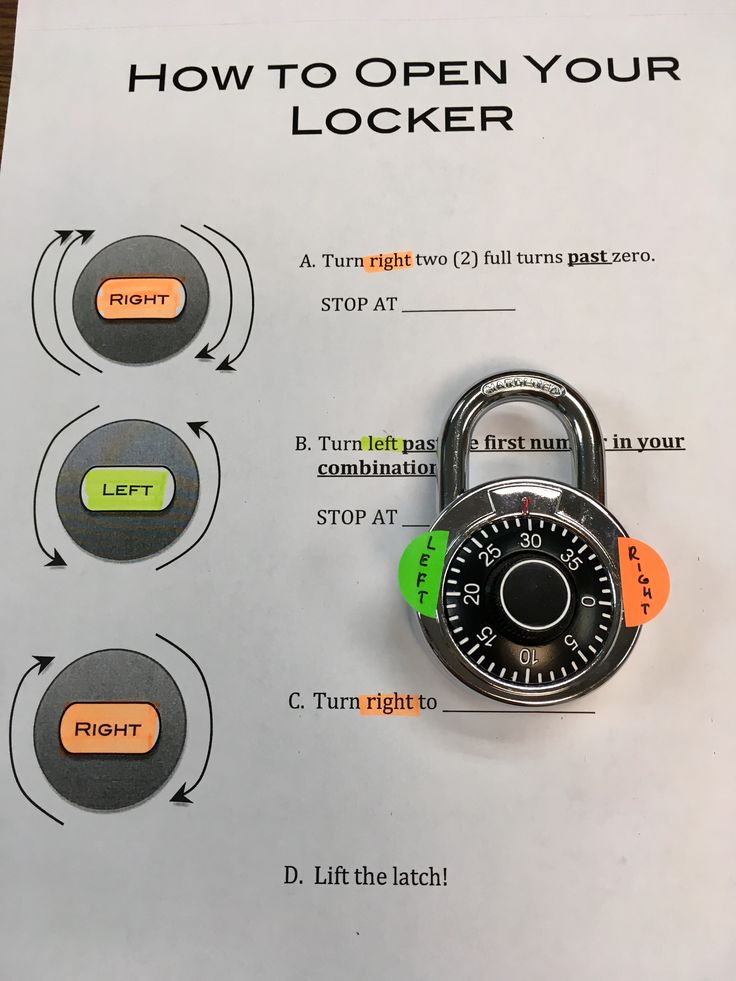


First, identify the lock type and manufacturing guide. Most manufacturers use a pattern or formula to set the lock's default or master combination. Some common patterns include the 0-9-1-2 or 0-1-2-3-0 for Safes and ltch locks.
Identify the Lock Type
Before using this method, ensure you know the lock's manufacturer. The direct dialing method heavily relies on manufacturer's pre-set patterns or formulas. Some popular lock manufacturers include: Master, Yale, Kwikset, Schlage, and more.


For example, many Master combination locks use a pattern similar to 0-9-1-2. If you know your lock is a Master and you've found a combination that starts with 0 and ends with 9, trying 1-2 as the middle numbers might work.
Locate the Combination by Process of Elimination
If you don't know the lock's type, try to locate the combination using the process of elimination. Start by trying common patterns like 0-9-1-2, 0-1-2-3-0, or 0-0-0-0.
If none of these work, begin dialing numbers randomly and recording those that spin freely. This can help you eliminate numbers that aren't part of the combination. Be systematic and thorough to increase your chances of success.


Trial and Error Method
The trial and error method is a more general approach that can work on most combination locks. It's less precise than the direct dialing method but can still be successful.
To start, listen carefully as you spin each dial. The goal is to find the 'sweet spot' where the dial feels different, usually slightly harder to turn. This indicates you're nearing a correct number in the combination.
Feel the Wheel
Spin the dial slowly, listening for a slight change in resistance. This change indicates you're close to one of the combination numbers. Once you find this 'sweet spot,' make a mark on the dial to keep track of where you are.
Remember, doing this too fast may cause you to overshoot the number. So, take your time and be patient. You might need to spin in both directions to find the exact point where the wheel feels different.
Narrow Down the Combination
After finding the first number, move on to the next dial. By now, you should have a rough idea of what the first number feels like. Try to find a similar 'sweet spot' for the second number.
Keep a record of the numbers you've found so far. It's helpful to have a small notepad to make notes as you go. This way, you can keep track of your progress and avoid double-checking the same numbers.
Once you've found all the numbers, carefully re-enter the combination, ensuring you match the direction and tension of each spin. If you've done everything correctly, the lock should open.
Opening a locker lock might seem daunting, but with patience and the right technique, you can master this skill. Just remember, always ensure you're allowed to open the lock, and use these skills responsibly. Happy unlocking!
Related Articles

Mastering Your Space: A Step-by-Step Guide on How to Open a Metal Attic Door
Ever felt the need to access your attic but been stumped by the formidable metal door? You're not alone. Metal attic doors, while secure and durable, can pose...

Mastering Large Doorway Framing: Step-by-Step Guide
Framing a large door opening can significantly elevate the aesthetics and functionality of your space. Whether you're updating an existing door frame or...

Unlocking Top Locks: A Step-by-Step Guide with Your Key
Ever found yourself locked out, your key refusing to cooperate with the top lock on your door? You're not alone. While it's frustrating, fear not! This guide...

Mastering Revit: Step-by-Step Guide to Creating Lighting Fixture Schedules
Creating a lighting fixture schedule in Autodesk Revit is a pivotal step in any architectural design project, ensuring that your spaces are well-lit while...

Mastering Untitled Tag in Roblox: Step-by-Step Guide
Do you find yourself often on Roblox, looking for engaging, interactive games to play with friends? If so, you might want to give "Untitled Tag" a try. This...

Mastering Drainage: Step-by-Step Guide to Build Raised Garden Beds
Creating an effective raised garden bed isn't just about the plants you put in it, it's also about how well it can thrive. This includes ensuring proper...