Step-by-Step: How to Cover a Metal Roof
Embarking on a journey to cover your metal roof can significantly enhance its lifespan, maintain its appearance, and even add an extra layer of insulation. This comprehensive guide is designed to walk you through the process, from understanding the benefits to the actual installation of a roof cover.
Metal roofs are renowned for their durability and longevity, but like any surface exposed to the elements, they benefit from added protection. A suitable cover can help prevent corrosion, maintain reflectivity, and even extend your roof's lifespan further, making it a worthwhile investment.
Choosing the Right Material for Your Metal Roof Cover
Selecting the appropriate material is the first crucial step in covering your metal roof. The best cover should complement your roof's existing material, provide suitable protection, and withstand the local climate.


Some popular options include:
- Polymer-Modified Bitumen: Ideal for its UV protection and flexibility
- Silicone: Known for its longevity and ability to withstand ponding water
- Acrylic: A water-based, eco-friendly option that dries to a tough, flexible film
Consider the Climate
Factors such as temperature extremes, humidity, and heavy rain or snowfall can influences your choice. For instance, silicone is an excellent choice in humid regions due to its moisture resistance.


Always check the manufacturer's guidance and consult with local professionals to ensure your choice is suitable for your specific environment.
Evaluate the Roof's Condition
Before you cover, inspect your roof for signs of damage, such as punctures, corrosion, or missing panels. Address these issues before covering to prevent further damage and ensure the longevity of your cover.
Once you've selected the right material and prepared your roof, let's dive into the actual installation process.


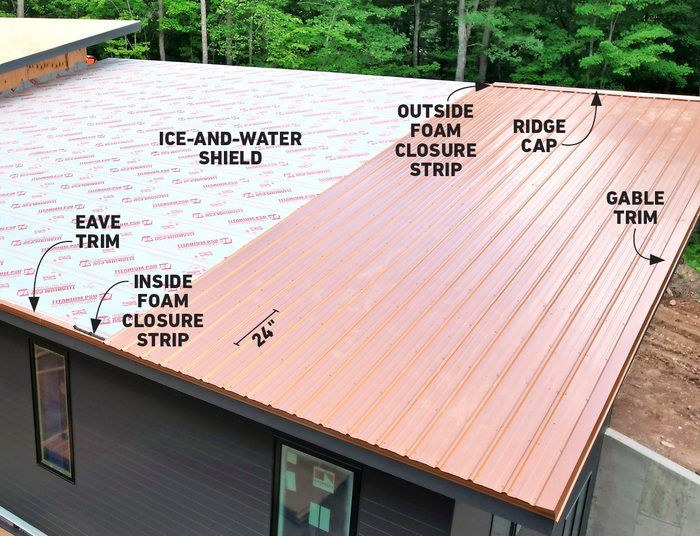


Applying the Cover to Your Metal Roof
Before you start, assemble your tools: the chosen cover material, a roller with an extended handle, a paintbrush for edges, a and safety gear, including a harness if you're working at heights.
Follow these steps for a smooth application:
Preparation: Clean and Prime
Start by cleaning the roof thoroughly to ensure the cover adheres properly. Use a cleaner suitable for your roof's material and remove any debris, moss, or mildew. Once clean and dry, apply a primer to enhance adhesion and protect your roof.

Applying the Cover
Unroll the cover material and cut it to the correct size, allowing for some overlap. Start from the lowest point and work your way up, rolling out the material as you go. Use the paintbrush to apply cover along the edges and around openings, ensuring a seamless, watertight seal.
Smooth out any wrinkles or bubbles as you go, and never walk on the fresh cover. Allow it to cure according to the manufacturer's instructions before subjecting it to heavy foot traffic or rain.
Regular maintenance, including annual inspections and prompt reparations, will ensure your roof cover performs at its best, keeping your metal roof protected for years to come.
Embarking on a metal roof coverage project might seem daunting, but it's a rewarding task that extends the life of your roof and enhances its performance. By understanding the process and selecting the right materials, you're well-equipped to tackle this task confidently. Happy covering!
Related Articles

"How to Cover Metal Stair Railings: A Step-by-Step Guide"
Embellishing your metallic stair railings can greatly enhance the aesthetic appeal of your home or commercial space, and also ensure safety. Here, we explore...

**How to Build a Floor for Your Metal Shed: A Step-by-Step Guide**
Embarking on a DIY project for your metal shed? One critical aspect you shouldn't overlook is the floor. A sturdy floor ensures durability, provides a flat...

How to Cover a Doorway: Step-by-Step Guide
Doorways are often the first and last things we interact with in a space, making them crucial elements in defining the overall aesthetic and functionality of a...

Mastering Metal Pipe Soldering: Step-by-Step Guide
Soldering metal pipes can be a daunting task for beginners, but with the right techniques and practice, it becomes a useful skill. Whether you're working on a...

"Step-by-Step: How to Install a Garage Door on a Metal Building"
Installing a garage door on a metal building can significantly enhance the functionality and aesthetics of your structure. This task might seem daunting, but...

How to Install Metal Conduit Outside: Step-by-Step Guide
Embarking on a DIY project to install metal conduit outside? You've made a savvy choice. Metal conduit, a durable, rugged electrical enclosure, safeguards your...