Understanding Combination Safes: How They Work
Imagine this: You're storing valuable items - documents, jewelry, or perhaps a handgun for safety - and you want a level of security that goes beyond the typical bookshelf or filing cabinet. Enter the combination safe, a robust security solution that's been trusted for centuries. But how does a combination safe work? Let's delve into the world of locks, levers, and numbered dials to uncover the mechanics behind these secure storage units.
Combination safes have evolved significantly since their inception, but the basic principle remains the same: a complex series of movements must occur to align components and release the lock. This intricate dance of levers and tumblers is controlled by the combination entered by the user. But how do these moving parts create such a secure mechanism?
Mechanical Combination Locks
At the heart of every mechanical combination safe lies a complex lock, usually consisting of a lever system actuated by the combination dial. The process begins with the dial, which is linked to a series of locks and levers inside the safe door. Each numbered position on the dial is connected to a specific lever within the safe.


Inside the safe, there's a series of levers arranged like a set of dominoes. When the correct combination is entered, the levers tip, one after the other, until the last lever tips, releasing the lock. This is what's known as a trypsin-style lock - one of the most reliable and robust lock mechanisms available. The beauty of this system lies in its simplicity: no electricity, no batteries, no moving parts that can easily fail.
Spaces and Credits
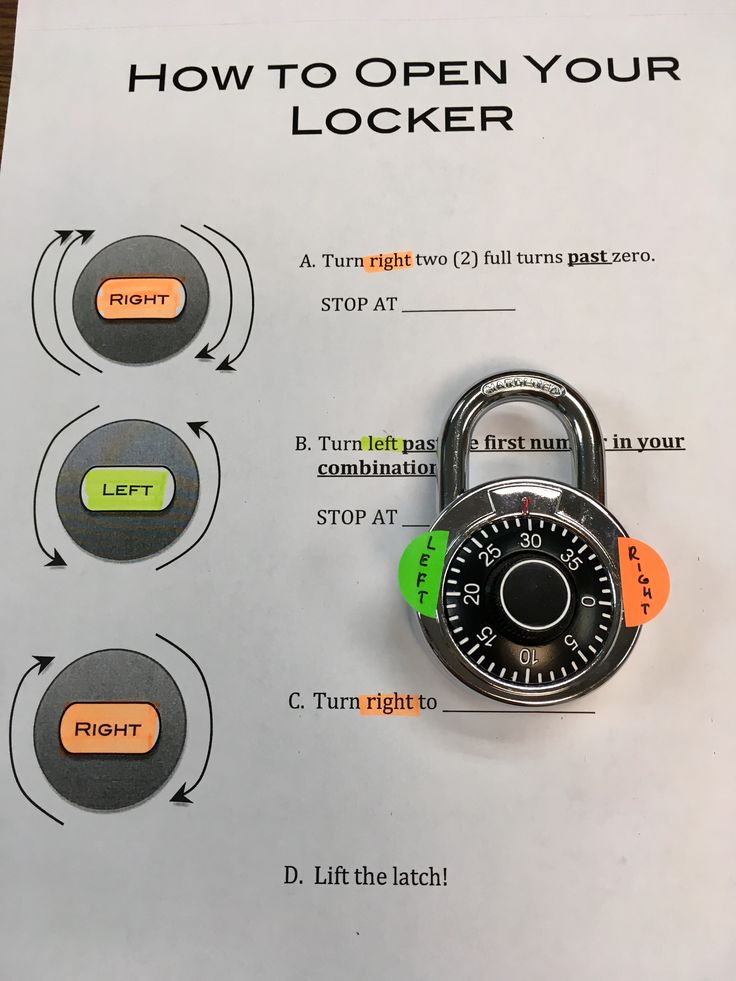
A common misconception about combination safes is that the numbers on the dial represent the settings directly. However, this is not the case. Instead, the numbers represent turns of the dial between specific positions. These positions are called 'spaces.' So, when you set the dial to 60 right and then 30 Left, you've spun the dial two spaces in total.


The difference between these positions is called a 'credit.' So, for the example above, the credit would be 30 (from 60 to 30). This is a crucial concept to understand, as it's the credit that releases the lock, not the space. It's also why it's important to use the exact combination each time - a slight variation can prevent the lock from releasing.
Locking Mechanism
The locking mechanism itself is typically a deadlock, meaning it can't be picked. Once the correct combination is entered, the final lever trips, releasing the lock. However, if the correct combination isn't entered, the lock remains engaged, ensuring the safe remains secure. Even slight inaccuracies in the combination can prevent the lock from releasing, adding an extra layer of security.
This robust locking mechanism is why combination safes are favored by those who want an almost impenetrable level of security. Whether it's valuable jewelry, important documents, or firearms, a combination safe can provide peace of mind, knowing your belongings are secure behind a mechanical barrier that's virtually impossible to bypass.


Electronic Combination Locks
While mechanical combination safes have served us well for centuries, modern technology has led to the development of electronic combination safes. These safes use keypads instead of dials, eliminating the need for complex lever systems. However, the principle remains the same: the correct combination must be entered for the lock to release.
Inside the safe, instead of levers, sensors read the combination. When the correct sequence is entered, a computer chip sends a signal to the locking mechanism, releasing the lock. However, like mechanical safes, these systems are fail-safe - if the wrong combination is entered, they won't release.
Benefits of Electronic Safes
Electronic safes come with several advantages over their mechanical counterparts. First, they're often easier to use, with clear numerals on the keypad and no need to coordinate spaces and credits. They also tend to be more resistant to tampering, as there are no moving parts that can potentially be manipulated. And, if you've forgotten your combination, many electronic safes can be opened with a master code or a manual override.
However, these advantages come with a disadvantage: they require power. While many electronic safes have backup batteries, this adds an extra layer of maintenance. Another consideration is the potential for electronic impairment - while rare, an electronic combination safe could potentially be bypassed by advanced technical means.
Choosing the Right Combination Safe
Deciding between a mechanical and electronic combination safe depends on your specific needs. For heavy-duty security and minimal maintenance, a mechanical safe is often the best choice. For ease of use and modern features, an electronic safe might be preferable. Regardless of your choice, always ensure you're dealing with a reputable brand that offers high-quality, proven security.
Remember, the key to a combination safe's security is its combination. Choose a unique, memorable sequence, and keep it to yourself. The more complex the combination, the more secure your safe will be. And, while it might seem counterintuitive, don't make your combination too complex - you should be able to remember it without having to write it down.
Understanding how your combination safe works is the first step in ensuring its security. Whether you're using a mechanical or electronic safe, remember that the combination is your key to a secure storage solution. Use it wisely, and enjoy the peace of mind that comes with knowing your valuable items are protected.
Related Articles
How Does a Safe Combination Lock Work: Unlock Complete Guide
When you think of a safe combination lock, you might envision a complex system with spinning wheels and secret numbers. But how does this mechanism work to...

Understanding Doorknobs: What They Are and How They Work
Imagine you're standing in front of a door, ready to enter. The first thing you likely reach for is the doorknob , a small yet essential mechanism that allows...

Understanding Focus Groups: What They Do & How They Help
Focus groups have long been an influential tool in market research, enabling businesses to gain deeper insights into their target audience's needs...

Understanding Refrigerator Door Swings: Which Way Does Your Right Hand Door Swing?
Does opening your refrigerator door from the right side seem like a novelty? You're not alone. The right-hand door swing on a refrigerator is actually a design...

Garage Door Opener: What Is It & How Does It Work?
Ever found yourself in a rush, approach your garage, and wondered, "What is that thing that opens the garage door?" You're not alone. The humble garage door...

LED Mirror Lights Explained: How Do They Work?
LED mirror lights have become increasingly popular in homes and businesses, offering innovative solutions for enhancing visibility and ambiance. But how do...