Florida Native: Ultimate Guide to Plants, Wildlife & More
Ask a longtime Floridian what "Florida native" means and you may get two different answers in the same breath. It can describe a person born under the state's relentless sun, or it can describe the plants, animals, and ecosystems that were here long before the first subdivision paved over a pine flatwood. Both meanings are woven through the state's identity, but the one with the most immediate, practical value to homeowners is the botanical one. Florida native plants are the species that evolved in this peninsula's sandy soils, humid summers, salt spray, and hurricane seasons, and they are remarkably good at thriving here without much help from us.
That matters because Florida's environment is genuinely unusual. The state stretches across USDA hardiness zones 8a through 11b, receives 50 to 60 inches of rain in a typical year, and sits on top of porous limestone that carries rainwater straight into the aquifer. Lawns and landscapes built around plants from other continents often struggle against those conditions. Landscapes built around natives tend to work with them. This guide covers why that is, which species are worth planting, how to source and design with them, and what the phrase "Florida native" means when applied to the people who live here too.
Why Florida Native Plants Matter So Much
Florida is home to roughly 2,800 native vascular plant species, by most counts, out of about 4,700 total species found in the state. That diversity exists because Florida is essentially a peninsula-turned-archipelago, with ecosystems ranging from coastal dunes and mangrove forests to scrub ridges, cypress swamps, pine flatwoods, and tropical hardwood hammocks down in Miami-Dade and Monroe counties. Each of those habitats has its own roster of adapted species, and many of them grow nowhere else on earth.


When a landscape is planted with species from that roster, several problems quietly solve themselves. Irrigation demand drops. Fertilizer requirements shrink. Pest pressure eases because the plants have chemical defenses and natural predators that co-evolved with them. None of that happens overnight, and natives are not indestructible, but the gap between a native landscape and a conventional one usually shows up on the water bill within a couple of seasons.
Water, Soil, and Less Maintenance
Outdoor irrigation can account for half or more of residential water use in many Florida communities during the dry spring months, and local utilities routinely impose once- or twice-a-week watering restrictions. Native plants reduce that dependency because they evolved with Florida's wet-dry rhythm. A bald cypress, a saw palmetto, or a muhly grass clump may look thirsty in April and be perfectly fine, having already grown the root system to handle it.


Natives also handle Florida's soil chemistry better than most imports. Soils along the central ridge and in much of South Florida run alkaline, sometimes with a pH above 8, while panhandle soils tend to be more acidic. Plants like Simpson's stopper, sea grape, and cabbage palm tolerate the limestone-influenced conditions that make blueberries and azaleas sulk. Choosing species matched to local soil means fewer amendments, less peat, and far fewer rounds of iron chelate.
Habitat for Wildlife That Evolved Here
The relationship between native plants and native wildlife is not sentimental; it is structural. Research on plant-insect food webs has shown that oak trees support hundreds of caterpillar species, while most non-native ornamentals support almost none. Caterpillars are the primary food source for nestling songbirds, which means a yard full of crape myrtles and ligustrums can look lush and still function as a food desert for the birds raising chicks in it.
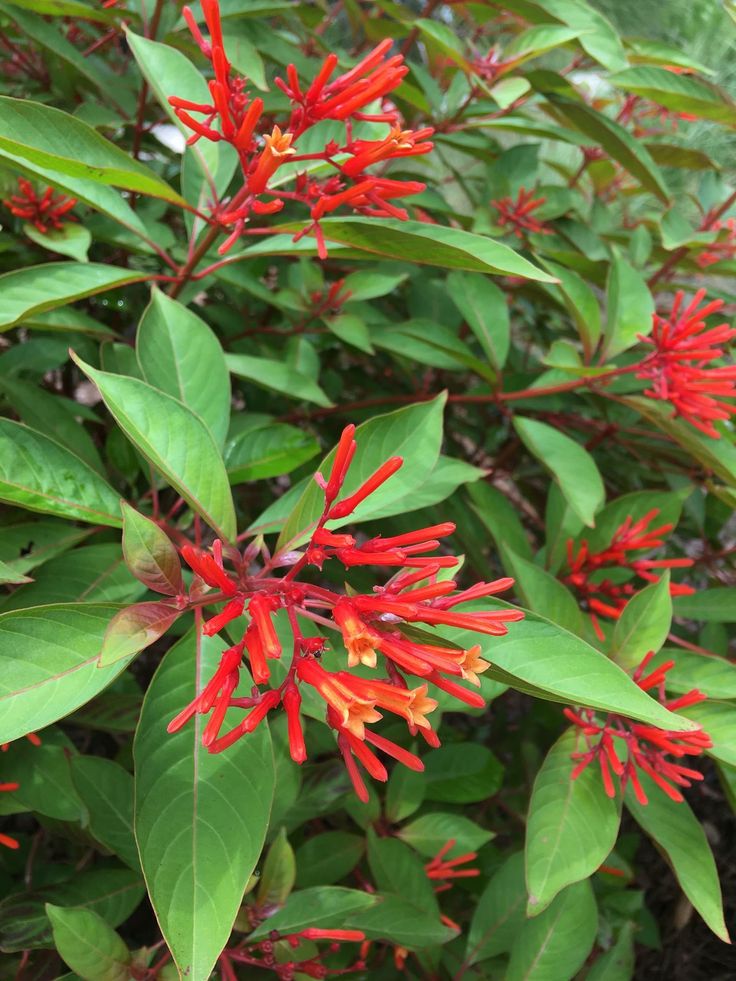
Florida examples are everywhere. Coontie is the sole host plant for the Atala butterfly, a species declared extinct in the United States in the 1960s before remnant populations were rediscovered near Miami. Passionflower vines feed gulf fritillary and zebra longwing caterpillars. Firebush and coral honeysuckle draw hummingbirds and native bees, and Florida hosts hundreds of native bee species that pollinate both wild plants and crops. Planting natives is one of the few yard-scale decisions that measurably supports that whole network.


Standout Florida Native Plants Worth Planting
The species available at a well-stocked native nursery vary by region, and that regional variation matters more in Florida than in most states. A plant that flourishes in Pensacola may fail in Naples and vice versa. What follows is a starting list of widely adaptable, widely available natives rather than a complete inventory, and a reputable nursery or your county UF/IFAS Extension office can narrow it down for your specific conditions.
One useful rule: match the plant to the wild community that once occupied your site. If your neighborhood sits on former pine flatwoods, think longleaf pine, saw palmetto, gallberry, and wiregrass. If it sits near a coastal dune, think sea grape, dune sunflower, and railroad vine. If it sits on a hardwood hammock footprint, think gumbo limbo, wild coffee, and satinleaf.
Trees and Palms That Define the Landscape
Live oak is the anchor tree of much of the state, with dense wood that holds up well to hurricane winds and a canopy that supports an enormous number of insects. Bald cypress and pond cypress handle wet sites and seasonal flooding, drop their needles in winter, and bring a distinctly Floridian silhouette to a yard. Longleaf pine, once dominant across millions of acres, is slower growing but enormously valuable ecologically and drought tolerant once established.


For palms, cabbage palm is the state tree and one of the most wind- and salt-tolerant options available, with the added bonus that it sheds its own fronds in high winds rather than holding them as projectiles. South of Lake Okeechobee, gumbo limbo and sea grape bring a tropical look without the fragility of non-native imports. In Central Florida, southern magnolia and sweetbay magnolia offer large, fragrant flowers and reliable structure.
Shrubs, Grasses, and Groundcovers
For mid-level structure, firebush is hard to beat: it flowers nearly year-round in frost-free areas, feeds hummingbirds and butterflies, and reseeds gently. Beautyberry produces vivid purple berries in fall that mockingbirds and cardinals strip within days of ripening, and Walter's viburnum and Simpson's stopper serve well as hedges or understory accents. Fetterbush and native azaleas add spring bloom in acidic, shady corners of the panhandle and north Florida.
Groundcovers are where native landscaping saves the most maintenance. Sunshine mimosa spreads into a low, pink-flowered mat that needs mowing only a few times a year. Frogfruit works as a turf substitute in moist, sunny spots and hosts the common buckeye butterfly. Coontie looks like a small cycad, tolerates drought and shade, and feeds Atala caterpillars. Muhly grass rounds out the group with its famous fall display of pink-purple seed heads that glow in late-afternoon light.
Wildflowers and Vines for Pollinators
Florida's state wildflower is tickseed, a coreopsis that blooms in yellow and sometimes pink along roadsides each spring and transplants easily into garden beds. Blanketflower thrives in dry, sandy, full-sun sites and blooms almost continuously when deadheaded. Butterfly weed, a native milkweed, provides caterpillar food for monarchs without the migration-disrupting drawbacks associated with the non-native tropical milkweed commonly sold in garden centers.
Among vines, coral honeysuckle is semi-evergreen, non-aggressive, and a hummingbird magnet, while passionflower is both a larval host and a source of nectar for large bees. Blue porterweed and coastal plain palafox round out a pollinator strip. Grouping these plants in masses rather than scattering them as singles makes a real difference, since pollinators find clusters of blooms far more efficiently than isolated plants.
Designing and Sourcing a Native Florida Yard
A native landscape still requires design. The mistake many homeowners make is replacing a tidy lawn with an unmanaged thicket, which may be ecologically better but rarely pleases neighbors or homeowner association review boards. Successful native yards borrow the same principles as conventional landscapes, structure, repetition, seasonal interest, and clear edges, while substituting native species into each layer from canopy down to groundcover.
Timing matters too. Fall and winter are the best planting seasons across most of Florida, because roots establish while temperatures are mild and the rainy season can finish the job. An October planting in Tampa or Orlando has months to settle in before the brutal heat of May, whereas a June installation will demand daily water for weeks.
Right Plant, Right Place
"Right plant, right place" is the first principle of Florida-Friendly Landscaping, and it is doing most of the work in a native design. Before choosing anything, assess sun exposure through the day, drainage after heavy rain, soil pH, and how close the site sits to salt water. A plant placed in the wrong microclimate will need constant coddling no matter how well adapted it is to the state overall.
Hydrozoning is a practical extension of the idea. Put the thirstiest plants together in the low spots where water collects, and group drought-tolerant scrub species like saw palmetto, scrub rosemary, and blanketflower on the highest, driest ground. Keep high-maintenance turf only where it serves a real purpose, such as a play area or a path edge, and let native groundcovers or mulch handle the rest.
Where to Buy and How to Verify Natives
Big-box garden centers stock very few true natives and frequently mislabel plants. Specialty native nurseries, the Florida Native Plant Society's annual and chapter plant sales, and county Extension office events are the most reliable sources, and the staff at those places usually know the provenance of what they sell. It is worth asking whether plants were grown from local ecotype seed, since a Florida native species sourced from a different region may be less well adapted to your site.
Also watch for lookalikes. Tropical milkweed is not native and can encourage monarchs to breed year-round, which increases parasite transmission. Perennial peanut and lantana are common turf and pollinator substitutes, but neither is a Florida native despite being widely promoted for low-maintenance landscapes. A quick check against the Florida Native Plant Society's database or the Atlas of Florida Plants will settle most questions before you buy.
What "Florida Native" Means Beyond the Garden
Step outside the nursery and the term takes on a second life. In conversation, "Florida native" or "Florida Cracker" refers to someone born in the state, often with family roots going back several generations, typically to pioneer cattle, citrus, or fishing families. That usage carries real cultural weight in a state where the population has grown so quickly that the people born here sometimes feel like a minority in their own hometowns.
The demographic reality backs that feeling up. Only about a third of Florida residents were born in the state, one of the lowest in-state birth shares in the country, and millions of newcomers arrive each decade. The tension between "native" and "transplant" is mostly good-natured, but it does shape how people think about growth, development, water policy, and what is worth preserving as the state changes.
The Original Floridians
Long before either of those categories existed, Florida was home to thriving Indigenous nations. The Calusa built shell mounds and controlled southwest Florida's estuaries without relying on agriculture. The Timucua lived across northern Florida, the Apalachee farmed the Tallahassee area, and the Tequesta and Ais occupied the coasts near present-day Miami and Cape Canaveral. Their ecological knowledge shaped the landscape, particularly through controlled burning that maintained open pine savannas.
Descendants of many of those peoples are still here. The Seminole Tribe of Florida and the Miccosukee Tribe of Indians of Florida are federally recognized, with reservations across the state, active tribal governments, and cultural institutions such as the Ah-Tah-Thi-Ki Museum on the Big Cypress Reservation. When the word "native" is used loosely, it is worth remembering that it has a precise and ongoing meaning in this state.
The Modern Native-or-Transplant Conversation
Ask around any Florida workplace and you will hear the discussion play out. People debate whether growing up in the panhandle counts the same as growing up in Miami, whether twenty years of residency earns you the label, and whether "native" is even a compliment given how much has changed. There is no official answer, and the joke that you are a native if you were born here and a Floridian if you stayed tells you most of what you need to know.
What unites both meanings is a shared attachment to the place itself. Loving Florida usually means loving its water, its springs, its live oaks, and its long, strange summers, and those are the things most worth protecting as the state's population keeps climbing. There are practical ways to act on that attachment, from converting a patch of lawn to natives to joining a local Florida Native Plant Society chapter or volunteering with a land trust that manages the wild communities still left.
Whether you were born here or moved here last year, the most meaningful way to claim Florida is to plant something that belongs here, then watch what shows up. A single coontie can bring back a butterfly that was declared extinct in this country within many readers' lifetimes, and a stand of muhly grass will feed native bees you have never seen before. Start with one bed this fall, visit a local native plant sale, and let the yard do the explaining.
Related Articles

Taiga Animals and Plants: Ultimate Guide to Boreal Forest Wildlife and Flora
The taiga — also known as the boreal forest — is the immense ring of coniferous woodland that circles the Northern Hemisphere just below the Arctic tundra...

Taiga Forest Animals: The Ultimate Guide to Boreal Wildlife
Stretching in a vast, unbroken belt across Alaska, Canada, Scandinavia, and Siberia, the taiga is the largest terrestrial biome on Earth. This boreal forest...

Finishing an Attic: The Ultimate Guide to More Space and Value
Finishing an attic is one of the most rewarding home improvement projects you can take on, turning a dusty, underused space into a bedroom, office, studio, or...

Gold Mason Jars: The Ultimate Guide to Stunning Decor, Gifts & More
Gold mason jars are having a lasting moment in home decor, weddings, and DIY crafts, and it is easy to see why. They combine the familiar charm of a classic...

Big Dog Tree Stands: The Ultimate Guide for Hunters Who Need More Room
If you have spent any amount of time pricing hunting stands, you already know the sticker shock that comes with premium brands. Big Dog tree stands carved out...

Real Estate Listing Presentations PowerPoint: The Ultimate Guide to Winning More Sellers
A seller’s first impression of your listing ability often happens before you open the MLS or discuss commission. It happens the moment you open your laptop...