Chicken Breast Cook Temp: The Secret to Juicy, Perfectly Safe Chicken
Chicken breast is a weeknight staple, a meal-prep favorite, and a blank canvas for everything from spicy tacos to elegant salads. Yet it also has a reputation for turning dry, stringy, and bland in seconds. The difference between juicy and sawdust often comes down to one critical number: the internal cook temperature. Understanding chicken breast cook temp is not just about food safety; it is about texture, flavor, and confidence at the stove.
Many cooks rely on cooking time, color, or clear juices to know when chicken is done, but those cues are unreliable. The only way to know exactly when chicken breast is ready is to measure its internal temperature. This guide breaks down the target temperatures, the science of carryover cooking, and how methods like grilling, baking, air frying, and sous vide change the ideal reading.
The Safe Minimum Internal Temperature for Chicken Breast
Food safety guidelines from the USDA recommend cooking chicken breast to a minimum internal temperature of 165°F (74°C). At that temperature, instant pasteurization occurs, meaning harmful bacteria like Salmonella are killed almost immediately. This is the simplest rule to remember and the safest target for anyone cooking poultry.


However, 165°F is not the only safe endpoint. Pasteurization is a function of both temperature and time. Chicken held at 150°F for about 3 minutes, or 155°F for roughly 45 seconds, also reaches a safe level of bacterial reduction. This matters because lower temperatures produce noticeably juicier meat, provided you can hold the temperature accurately.
Why 165°F Became the Standard
The 165°F guideline is popular because it is a single, easy-to-remember number that guarantees safety without requiring a stopwatch. For home cooks, restaurants, and food service operations, simplicity reduces the risk of undercooking. It also accounts for uneven cooking in thick or irregular pieces.


That said, the standard assumes an instant reading. If you pull chicken at 165°F and let it rest, the temperature may climb another 5 to 10 degrees due to carryover cooking. This means the final rested temperature could reach 170°F or higher, which can push lean breast meat toward dryness.
Time and Temperature Pasteurization Explained
Pasteurization is not a magic instant at every temperature. At 136°F, chicken needs about 63 minutes to be safe; at 140°F, about 25 minutes; at 145°F, about 8.5 minutes; at 150°F, about 3 minutes; and at 155°F, about 45 seconds. These times assume the entire piece reaches that temperature, which is difficult to verify without a reliable thermometer.
For practical home cooking, aiming for 155°F to 160°F and holding it briefly can yield excellent results. But if you are cooking for someone with a compromised immune system, pregnant, elderly, or very young, sticking with 165°F is the cautious choice. The difference in juiciness is real, but safety should guide your decision.


How Cooking Method Affects Chicken Breast Cook Temp
Different cooking methods transfer heat at different rates, which changes how you should approach the target temperature. A hot grill can char the outside while the center lags behind, while a gentle oven or sous vide bath provides even, predictable heating. Knowing your method helps you decide when to pull the chicken.
Carryover cooking is the hidden variable in every method. As the chicken rests, the hotter outer layers continue to warm the cooler center. A large breast might rise 5 to 10 degrees after leaving the heat; a thin cutlet might rise only 2 to 3 degrees. Adjust your target based on thickness and cooking intensity.
Grilling and Pan-Searing
Grilling and pan-searing use high, direct heat. The surface browns quickly, but the interior can remain raw if the breast is thick. For these methods, aim to pull the chicken at 160°F to 162°F, then rest it for 5 to 10 minutes. The carryover will bring it close to 165°F without overcooking.


Use a two-zone fire or a moderate pan temperature to avoid burning the exterior before the center is safe. If you are cooking a butterflied or pounded breast, it may cook through in just a few minutes per side. In that case, target 160°F and check early, because thin cuts can overshoot quickly.
Baking, Roasting, and Air Frying
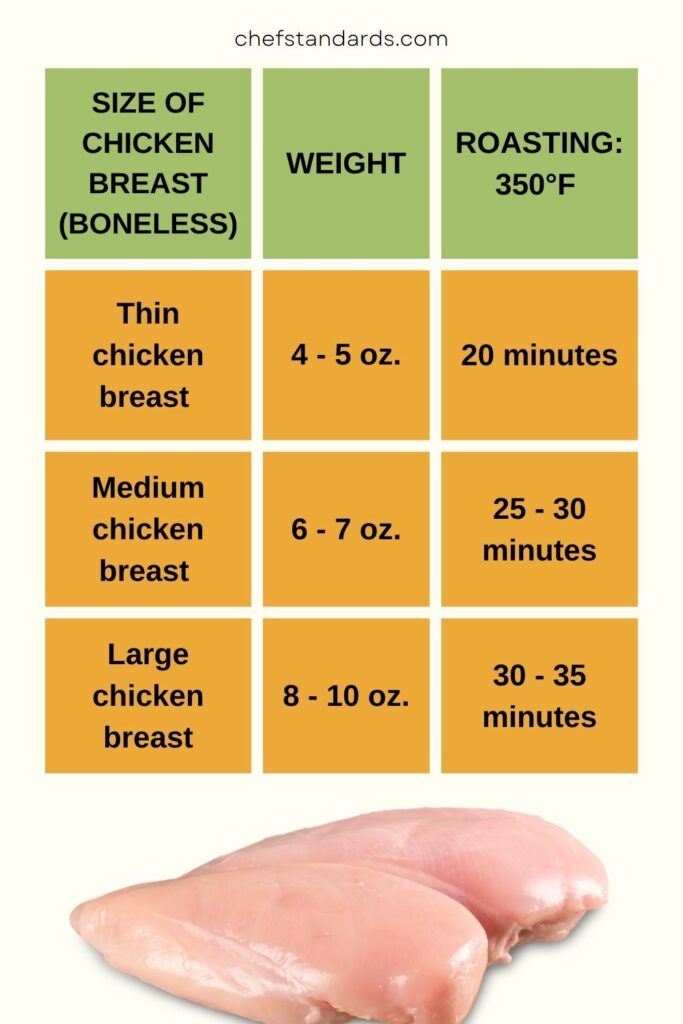
Baking and roasting surround the chicken with dry heat. A 375°F to 425°F oven is common for bone-in or thick boneless breasts. The steady ambient heat makes carryover more predictable, so pulling at 160°F to 162°F usually works well. Air frying is similar but more intense, so start checking at 158°F.
For even cooking, place breasts in a single layer with space between them. If they are different sizes, remove smaller pieces first. A thermometer is essential here because visual cues like clear juices or firmness are unreliable and often lead to overcooking.
Sous Vide and Poaching
Sous vide offers precise control. You can cook chicken breast at 145°F for 8 to 12 minutes after it reaches temperature, or at 150°F for 3 minutes, and achieve pasteurization. The result is exceptionally juicy and tender, but the texture may seem slightly pinkish even when safe.
Poaching is a gentler stovetop method. Keep the liquid at a bare simmer, around 160°F to 180°F, and cook until the thickest part registers 160°F. Rest briefly before slicing. Because poaching adds moisture, it is forgiving, but you still need a thermometer to avoid rubbery meat.
Resting and Carryover Cooking
Resting is not optional if you want juicy chicken. As the meat sits, the muscle fibers relax and reabsorb juices that would otherwise run out when sliced. During the same rest, carryover cooking continues to raise the internal temperature. A 10-minute rest is ideal for a whole breast; 5 minutes is enough for cutlets.
Tent the chicken loosely with foil if you want to keep it warm, but avoid wrapping it tightly. Tight wrapping traps steam and can soften the crust. If you pulled the chicken at the right temperature, the rest will finish the job and bring it to a safe, succulent final reading.
Mastering chicken breast cook temp is less about memorizing a single number and more about understanding your tools, your cut, and your heat source. Keep an instant-read thermometer within reach, aim for 160°F to 165°F depending on the method, and let carryover cooking do its quiet work. The next time you slice into a breast and see a juicy, perfectly opaque interior, you will know the temperature was on your side.
Related Articles

How to Cook Juicy Chicken Breast in an Instant Pot (Fast & Easy!)
If you have ever stood over a skillet watching chicken breast dry out while you wait for the center to cook through, you already understand why the Instant Pot...

How to Cook Juicy Turkey Breast in the Oven: Easy, Tender, and Perfectly Seasoned
Roasting a turkey breast in the oven is one of the most reliable ways to get a flavorful, protein-packed meal on the table without committing to a whole bird...

Oven Cook Chicken Breast: The Juicy, Foolproof Guide
Learning to oven cook chicken breast that stays juicy, tender, and full of flavor is one of the most useful kitchen skills you can master. Chicken breast is...
Instant Pot Chicken Breast Cook Time: Perfect Juicy Results Every Time
Instant Pot chicken breast cook time is one of those kitchen details that can make dinner feel effortless or leave you with dry, rubbery meat. Chicken breast...

What Temp Chicken? The Exact Internal Temperature for Safe, Juicy Chicken
If you have ever typed what temp chicken into a search bar while standing over a hot skillet, you are not alone. Chicken is one of the most popular proteins in...

Meatloaf Cooking Temp: The Secret to Juicy, Perfect Meatloaf Every Time
Meatloaf cooking temp is one of those details that can turn a comforting dinner into a dry, crumbly disappointment or a juicy, sliceable masterpiece. Many...