Bathroom Stall Sizes: A Comprehensive Guide
Walking into a public restroom can sometimes feel like navigating a maze, and one of the first decisions you'll make is choosing a suitable stall. Bathroom stall sizes vary, and understanding the different types can ensure comfort and accessibility. In this guide, we'll explore various bathroom stalls, their sizes, and their purposes.
Bathroom stall sizes are often categorized based on their width, accommodating different user needs and preferences. Let's delve into the different types and their unique features.
Standard Bathroom Stalls
Standard stalls, often found in offices, schools, and other public facilities, typically measure 36 inches in width. They cater to the average user and provide enough space for most individuals to comfortably use the toilet and change clothes if needed.


These stalls usually have a standard height partition and may or may not have a lock. Some may even have an opening at the top for ventilation and visibility, ensuring users' safety and peace of mind.
Single-User Standard Stalls
Single-user standard stalls, measuring 36 inches in width, are designed for one person at a time. They are the most common type of bathroom stall and cater to the majority of users. Their compact size makes them space-efficient, ideal for restrooms with limited square footage.


These stalls often come with a locking mechanism, ensuring privacy and security. Some may also feature amenities like dispensers for toilet paper, hand soap, or sanitary napkins for user convenience.
Double-User Standard Stalls
Double-user standard stalls measure approximately 72 inches in width, accommodating two users side by side. These stalls are typically found in family restrooms or gender-neutral bathrooms, providing accessibility for parents with young children, individuals accompanying a disabled person, or groups traveling together.
Double-user stalls may not have individual locking mechanisms, as they're often designed for shared use. However, some designs may feature an interconnecting door that allows users to lock both sections simultaneously for privacy.


Accessible Bathroom Stalls
Accessible stalls are designed to cater to users with disabilities or special needs, ensuring that restrooms are inclusive and barrier-free. These stalls must comply with specific guidelines outlined in the Americans with Disabilities Act (ADA) and other accessibility standards.
The width of accessible stalls is typically 60 inches, providing enough space for users in wheelchairs or with other mobility impairments to maneuver comfortably. Some accessible stalls may also feature additional amenities to accommodate users with specific needs.
ADA-Compliant Accessible Stalls
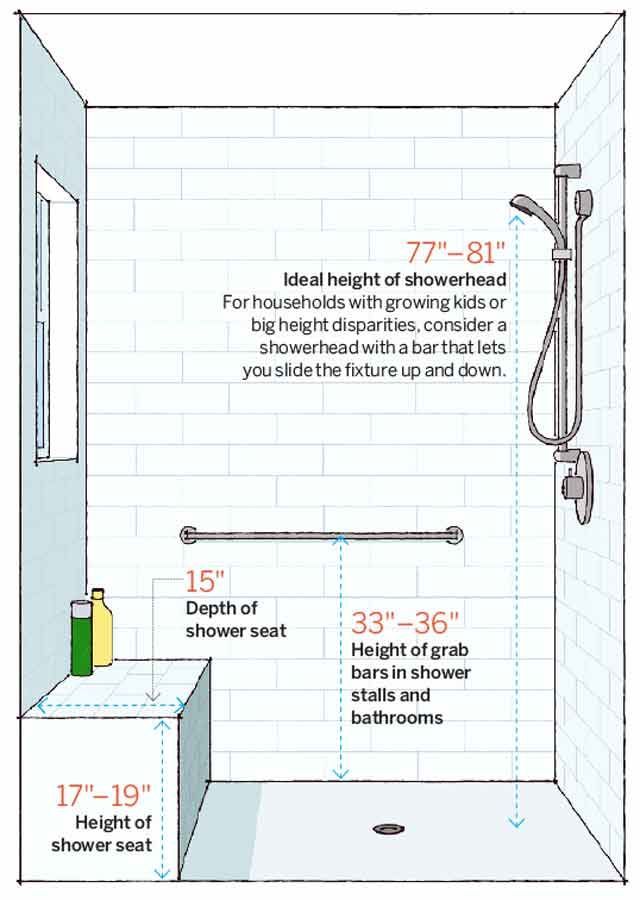
ADA-compliant accessible stalls measure 60 inches in width and are designed to accommodate users with disabilities. They must include specific features, such as grab bars, enough space for a wheelchair, and a locking mechanism that is easily operated with one hand.
ADA-compliant stalls are often color-coded and have raised letters or braille for easy identification by visually impaired users. They also require additional space around the stall, both inside and out, for maneuverability.
Transfer Stalls
Transfer stalls are a type of accessible stall that caters to users who can transfer from their wheelchairs to the toilet. These stalls have a higher toilet and supporting grab bars to aid users in the transfer process.
Transfer stalls typically measure 48 inches in width, as they are designed for users who can move easily from their wheelchair to the toilet. They may also include additional features like a longer toilet paper dispenser or a shelf for personal belongings.
When choosing bathroom stall sizes, it's essential to consider your personal preferences, accessibility needs, and available space. Understanding the different types of stalls can help you make an informed decision, ensuring a comfortable and convenient bathroom experience for all users.
Related Articles

"Standard Sliding Door Sizes: A Comprehensive Guide"
When remodeling or building a home, selecting the right sliding door size is vital for functionality, aesthetics, and energy efficiency. This guide will help...

Standard Hotel Room Sizes: A Comprehensive Guide
The standard size of a hotel room can vary globally due to different regulations and occupancy needs. However, in many parts of the world, particularly in the...

Ideal Nail Sizes for Baseboards: A Comprehensive Guide
Installing baseboards is a rewarding task that not only adds the finishing touch to your walls but also offers a beautiful blend of functionality and...

Common Interior Door Sizes: A Comprehensive Guide
When it comes to interior design or home renovation, one aspect that often goes unnoticed but plays a significant role in the overall aesthetics and...

"Perfect Sizes for Foyer Rugs: A Comprehensive Guide"
Adding a rug to your foyer is an excellent way to make a lasting first impression in your home. Not only does it warm up the space and add texture, but it also...

Optimal Utility Room Door Sizes: A Comprehensive Guide
When it comes to home design and functionality, the utility room, while often overlooked, plays a crucial role in maintaining a clean and organized space. One...