Unwrapping the 12 Days of Christmas Origins: History, Meaning, and Surprising Facts
The song “The Twelve Days of Christmas” is one of the most recognizable holiday carols in the English-speaking world, yet its origins are far more layered than the familiar list of gifts suggests. Many people assume the song is either a simple children’s rhyme or a secret code, but the real story stretches across medieval Christmastide, English oral tradition, and centuries of playful repetition. Exploring the 12 days of Christmas origins means separating historical fact from charming myth while appreciating why the carol still endures.
At its heart, the phrase “the twelve days of Christmas” refers to an actual season in the Christian calendar, not a countdown to December 25. The carol itself likely began as a memory-and-forfeit game before it became a holiday standard. Over time, the song has been linked to Catholic persecution, rural courtship, and modern economic indexes, making its history as curious as its famous menagerie of birds, rings, and dancing lords.
The Twelve Days of Christmas Origins in Christian Tradition
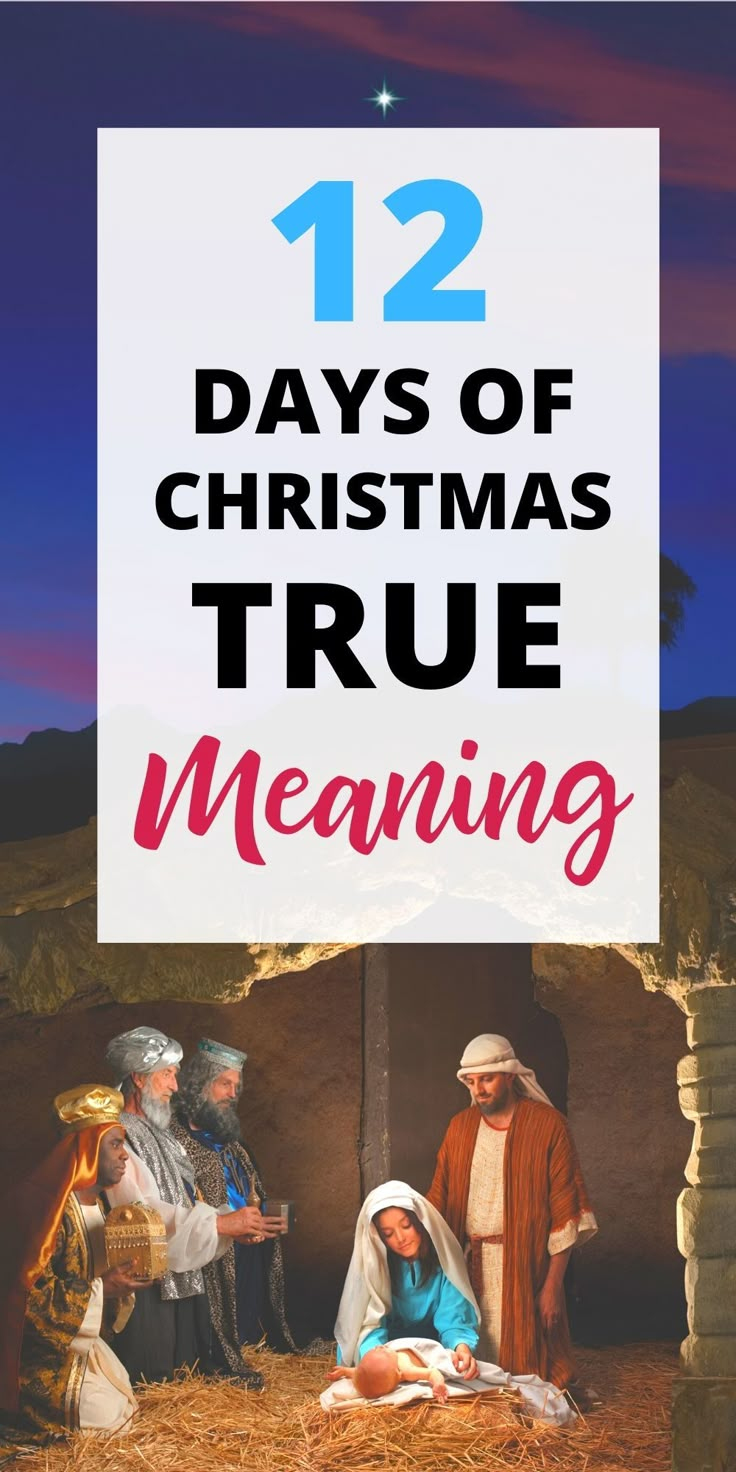
In Western Christianity, the Twelve Days of Christmas, also called Christmastide, begin on Christmas Day, December 25, and run through January 5, the eve of Epiphany. Epiphany on January 6 commemorates the visit of the Magi to the Christ child, and in some traditions it also celebrates Christ’s baptism. The twelve days are therefore not the days before Christmas, but the days after it, forming a sustained season of celebration.


This period was originally a time of feasting, worship, and community merrymaking rather than a single-day holiday. Work slowed, candles burned, wassail bowls were passed, and villages gathered for music, plays, and games. The cumulative structure of the carol, with one gift added for each day, mirrors the way the season itself builds toward Twelfth Night, the traditional climax of Christmas festivities.
How Christmastide Shaped the Twelve-Day Celebration
In medieval and early modern Europe, the Christmas season included a sequence of feast days. December 26 was St. Stephen’s Day, December 27 honored St. John the Evangelist, December 28 marked the Feast of the Holy Innocents, and January 1 was the Feast of the Circumcision. Each day carried its own customs, foods, and charitable traditions, which together made Christmas a twelve-day rhythm rather than a single event.


The twelfth day, January 5, was known as Twelfth Night, a final burst of revelry before ordinary life resumed. A Twelfth Night cake often contained a bean or a coin, and whoever found it became king or queen of the feast. This tradition of temporary role reversal and generous celebration helped shape the song’s association with gift-giving, laughter, and lighthearted chaos.
From Saturnalia to Epiphany: Layered Winter Customs
The Twelve Days did not emerge in a vacuum. They overlapped with older winter festivals such as Roman Saturnalia, a December period of feasting and social inversion, and Yule traditions from northern Europe. Early Christians often adapted existing customs rather than erasing them, giving new meaning to evergreen decorations, candlelight, and communal meals.
By the Middle Ages, the twelve-day framework gave these customs a Christian shape. Wassailing, mumming, and gift exchanges found a place within Christmastide, while the church calendar provided a theological arc from Christmas to Epiphany. The song’s mix of partridges, milkmaids, pipers, and drummers reflects this blend of domestic life, faith, and seasonal excess.



The Song’s Historical Debut and the Catechism Controversy
The earliest known printed version of “The Twelve Days of Christmas” appears in a 1780 children’s book called Mirth Without Mischief, published in London. That version presents the song as a memory-and-forfeit game, not as a religious tract or a coded catechism. The lyrics were already playful, repetitive, and a little absurd, which helped players remember each new line.
Before 1780, the carol likely circulated orally for generations. Its cumulative form, in which each verse repeats the previous gifts and adds one more, is a hallmark of folk songs across Europe. Similar cumulative songs include “The Barley Mow” and “There Was an Old Lady Who Swallowed a Fly,” both of which rely on repetition, rhythm, and escalating humor.
Mirth Without Mischief and the Memory Game
In Mirth Without Mischief, the song was a party game. One person would recite a verse, the next would repeat it and add another, and anyone who stumbled had to pay a forfeit, such as a kiss, a coin, or a small trinket. This game format explains why the gifts grow increasingly strange and numerous, from three French hens to twelve drummers drumming.


The game also explains why the lyrics varied so much from place to place. Different regions sang “four colly birds” or “four calling birds,” “five gold rings” or “five golden rings,” and “ten lords a-leaping” or “ten lords a-skipping.” The version that most people know today stabilized only in the nineteenth and twentieth centuries, as printed songbooks and recordings spread standardized lyrics.
The Catholic Catechism Myth: Fact or Fiction?
A popular story claims the song was written as a secret catechism for Catholic children in England during the Reformation, when practicing Catholicism was restricted or illegal. In this telling, each gift represents a doctrine: the partridge is Jesus, the two turtle doves are the Old and New Testaments, the three French hens are faith, hope, and charity, and the twelve drummers are the twelve points of the Apostles’ Creed.
There is no historical evidence for this claim. The 12 days of Christmas origins are not tied to a clandestine catechism, and the theory appears to have emerged in the late twentieth century. It spread through church newsletters, internet forwards, and holiday trivia, but it does not match the song’s known history as a secular memory game. The myth is charming, yet it remains a myth.
The Gifts, Their Meanings, and Modern Twelfth Night Traditions
Even without a secret code, the gifts in the song offer a vivid snapshot of English rural life and holiday imagination. Birds, milkmaids, dancers, pipers, and drummers evoke a world of manor houses, village greens, winter kitchens, and communal celebration. The lyrics are not a doctrinal puzzle so much as a playful catalog of people, animals, and objects that would have been familiar to earlier audiences.
Some interpreters still assign religious meanings to the gifts, while others see them as deliberate nonsense. The truth likely lies somewhere in between: the song was designed to be memorable, funny, and slightly ridiculous, which is exactly why it has survived for centuries. Its staying power comes from repetition, not from a hidden theological system.
Birds, Rings, and Rural English Life
The first seven gifts are mostly birds: a partridge in a pear tree, two turtle doves, three French hens, four calling birds, six geese a-laying, and seven swans a-swimming. Five gold rings interrupt the avian theme, perhaps representing jewelry or, in some readings, ring-necked pheasants. Each item suggests a world where food, livestock, and status symbols were part of everyday conversation.
“Four calling birds” was originally “four colly birds,” an old dialect term for blackbirds. “Three French hens” may refer to a specific breed such as the Houdan or simply to imported poultry. These details root the carol in rural English life, where birds were both food and decoration, and where a partridge in a pear tree could be an extravagant, humorous gift.
Twelfth Night Today and the Christmas Price Index
Twelfth Night is still celebrated in some communities, especially in the United Kingdom, parts of Europe, and the Appalachian region of the United States. Traditional observances include wassailing apple orchards, eating king cake, chalking doors, and taking down Christmas decorations on January 5 or 6. In some churches, Epiphany services mark the end of the season with processions and blessings.
In the United States, the financial services company PNC has calculated the Christmas Price Index since 1984, pricing out all the gifts from the song. It has become a lighthearted way to track inflation and supply chain quirks, from the cost of swans to the wages of drummers. The index keeps the carol in the cultural conversation each December and adds a modern economic twist to an old folk song.
The next time you hear the familiar escalation of partridges, pipers, and lords a-leaping, you can hear more than a catchy tune. You can hear the echoes of medieval Christmastide, an old parlor game, and a myth that refuses to fade. Whether you celebrate for one day or twelve, the song remains a curious invitation to keep the season going a little longer. Maybe this year, gather a few friends, try to remember every verse without a mistake, and let the forfeits and laughter do the rest.
Related Articles

The Surprising Origins of the Easter Bunny: History, Myths, and Symbols Explained
The Easter bunny is one of the most recognizable symbols of the holiday, yet its origins are far more layered than most people realize. Long before chocolate...

What Is the Easter Bird? Origins, Meaning, and Fun Easter Facts
Your quota is exhausted. API key status: exceeded Name: PCTB8QC8QS7ST Quota: 0/3200000000 tokens (0.0%) exp_date: 2026-10-17T14:27:58.134Z

Origins of St. Patrick's Day: The Surprising True History Behind the Holiday
Every March, cities from Dublin to Tokyo turn green, rivers get dyed emerald, and millions of people claim Irish ancestry for a day. Yet the origins of St...

Sweeney Family Crest: Meaning, History, and Irish Origins Explained
Your quota is exhausted. API key status: exceeded Name: PCTB8QC8QS7ST Quota: 0/3200000000 tokens (0.0%) exp_date: 2026-10-17T14:27:58.134Z

Icon Not Made by Hands: History, Meaning, and Miraculous Origins
Few objects in religious history carry as much mystery as the icon not made by hands. The phrase describes a specific class of sacred image that, according to...

Valhalla Symbol: Meaning, History, and Viking Origins Explained
For anyone drawn to Norse mythology, the phrase Valhalla symbol often conjures images of brave warriors, towering mead halls, and a glorious afterlife watched...